What Happens After Irrigation Replacement? Maintenance Expectations
Replacing an irrigation system corrects effectiveness, coverage, and the continuing landscape well-being. Modern watering methods are planned to reduce water waste and minimise upkeep, but they are not maintenance-free. Knowing how replacement by an irrigation contractor helps property holder protect their investment and prevent unexpected issues.
System Check After Installation
After a new irrigation system is equipped, a detailed scheme check is essential. Even when installed professionally, components need fine-tuning to match water pressure, soil environments, and plant requirements.
What this occasionally includes:
- Verifying the correct water pressure comprehensively zones
- Ensuring sprinkler heads and drip lines are correctly aligned
- Checking valves and controllers for correct movement
- Confirming full and even inclusion across the landscape
Small adaptations at this stage improve efficiency and lower future maintenance.
Understanding Everyday Maintenance
Day-to-day perpetuation for a new irrigation method is generally light. Modern parts are built to operate dependably with littlest user interaction.
Typical ongoing support tasks include:
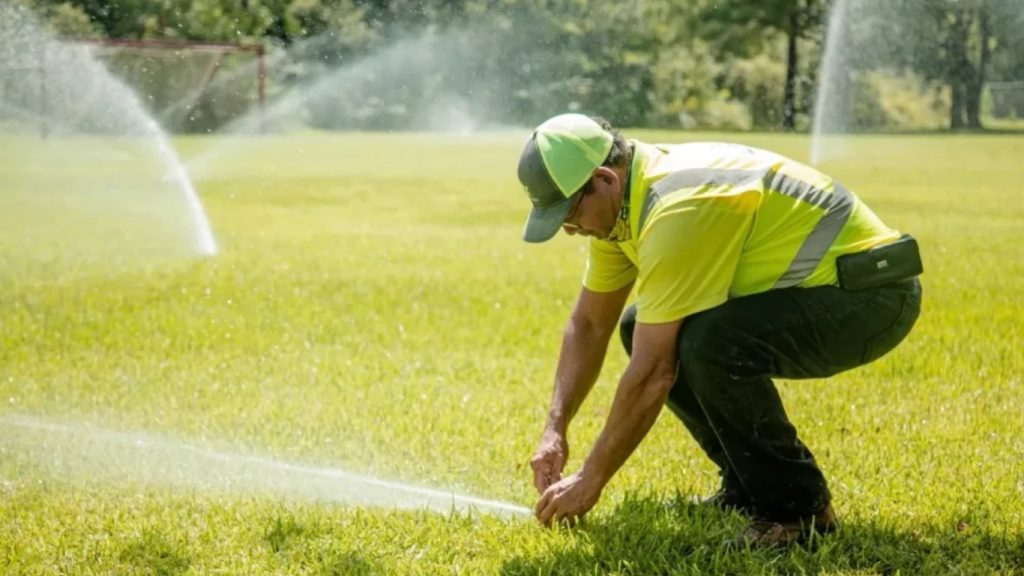
- Visual inspection of sprinkler heads
- Cleaning clogged nozzles or filters
- Assuring drip emitters are delivering water proportionately
- Checking for signs of leaks or pooling water
These checks help claim system performance and can frequently be done in a few minutes.
Seasonal maintenance
1. Spring:
Activate the system, check for winter damage, and regulate schedules for new growth
2. Summer:
Monitor coverage all the while in high heat, and adjust watering frequency
3. Autumn:
Reduce irrigating and inspect components for wear
4. Winter:
Shut down or winterise the system where necessary
Seasonal care protects the system and counters unnecessary water use.
Controller and Schedule Management
Modern watering controllers play a key role in reducing water usage. Smart controllers certainly adapt watering schedules based on weather info.
Key management tasks of irrigation repair include:
- Reviewing schedules sporadically
- Updating seasonal scenes
- Checking sensor accuracy
- Monitoring alerts or plan notifications
Correct controller management blocks overwatering and system strain.
Long Term Sustenance
Over time, all watering systems demand occasional servicing. However, substitute systems are planned to reduce these demands considerably.
Long-term maintenance can involve:
- Replacing worn sprinkler heads
- Servicing valves and pressure regulators
- Modernizing controller software
- Flushing drip lines to prevent accumulation
These tasks are infrequent and far less intensive than claiming older schemes.
Signs That Maintenance Is Needed
Recognising early warning signs helps prevent big issues.
Common indicators include:
- Uneven watering patterns
- Sprinkler heads not retracting properly
Focusing on these signs early keeps the system efficient.
Professional Servicing vs DIY Maintenance
Many fundamental maintenance tasks may be handled by the property holder. However, periodic professional inspections are urged.
Benefits of professional servicing:
- Detailed method assessment
- Pressure and flow experiment
- Early detection of hidden issues
- Extended method lifespan
Professional support by experts like Chuck’s Landscaping guarantees long-term dependability.
Conclusion
After irrigation, maintenance becomes plainer and more predictable. Regular optical checks, seasonal transformation, and occasional expert fixes keep the system running capably. Understanding support anticipations helps homeowners and property managers love the full advantages of their remodelled irrigation structure while avoiding unnecessary repairs and water waste.