Keep a Water-Repair File That Explains More Than the Equipment Bill
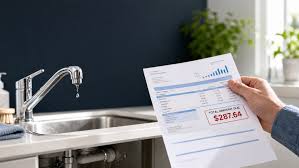
A useful water-repair file explains what happened, who assessed it and how the work moved into repairs. The equipment invoice is one part of that account, not the whole history. Owners can make future maintenance conversations easier by keeping the chronology clear and allowing each document to retain its actual purpose, without turning a rental receipt into an unsupported completion statement.
Start the file with what happened and what is known
Write a short factual account of the event using information you can support. Identify the affected area, the date or approximate period and the people or services involved. Keep uncertainty explicit where the original cause or timing was not established. A concise account that distinguishes observation from professional findings is more useful than a polished narrative that silently fills the gaps.
Use room names that remain understandable. If a space has changed function, identify both the earlier and current names where needed. Include an ordinary location reference when several areas could be confused. The goal is for a future contractor or owner to understand which part of the property a document concerns, without relying on the memory of the person who originally managed the work.
Keep photographs in an intelligible sequence with their original context. A close-up should be connected to its room and date, and any professional interpretation should remain with the report it came from. If a file has been renamed for convenience, preserve enough identifying information to connect it to the original report or message. A picture called final may otherwise lose the date and area that made it useful. Do not treat a visual record as proof of concealed conditions beyond what the qualified assessment establishes. Images can support the history without being asked to answer technical questions on their own.
Let each document retain its actual purpose
An assessment report describes findings within its scope. A rental invoice identifies an equipment transaction. A repair contract describes agreed work, while an installation document may address a particular product or material requirement. Store them together if convenient, but label them clearly. The most recent date in the folder does not automatically identify the document that authorizes every subsequent activity.
For equipment context, an owner can visit the equipment-rental website of Drying Equipment and confirm booking details directly with the provider. Keep the actual order and supplied-item record rather than relying only on a current webpage. Rental fleets and descriptions can change. A present listing may help locate the provider, but the booking documents explain what was supplied for the historical project.
Retain any accepted changes to the original arrangement, including equipment exchanges or revised collection dates. Those records can explain why an invoice differs from the first quote. Keep the technical rationale where it was provided by the responsible project person, separately identifiable from the commercial adjustment. A change in hire length may have a reason worth preserving without being converted into an amateur conclusion about the building.
Do not enlarge a document’s meaning to make the file look more complete. If a contractor assessed only a particular area, retain that boundary. If a cleaning receipt covers routine work, do not label it as a whole-property clearance. The file’s credibility depends on accurate scope. Missing information should remain visible so the next relevant question can be directed to the right source.
Preserve the handoff into repairs
The transition from drying work to repair is often where useful context gets lost. Keep the applicable readiness information with the material or trade it concerns. A flooring installer may have relied on particular evidence for a selected system; a finish contractor may have separate requirements. Identify who made each decision and what documentation accompanied it rather than compressing the whole sequence into “room repaired.”
If products changed, retain the final specification and mark earlier choices as historical. A later reader should not mistake an abandoned product sheet for the instructions governing the installed material. This is especially useful when the project involved substitutions, rescheduled deliveries or a revised layout. A tidy distinction between final and superseded documents prevents confusion without requiring a complex records system.
Keep any ongoing care guidance where the household can find it. It may be useful for the next cleaning or maintenance decision even when the original event is long past. The equipment invoice can remain in the administrative history, while the relevant product instructions stay accessible for ordinary use. Different documents serve different moments in the life of the property.
Leave a useful route for future questions
Record the names of the responsible businesses and the relevant project references. If a future question arises, the owner should be able to identify which company supplied equipment, which assessed the condition and which performed a repair. Avoid sharing unnecessary personal or financial details when passing the file to someone who needs only the technical or material information relevant to their work.
This organizational approach does not determine legal disclosure obligations, insurance coverage or property value. Those matters require their own appropriate advice and actual circumstances. A well-kept maintenance file simply provides a more accurate basis for conversations. It should not be advertised as a guarantee against future problems or a substitute for a current assessment when new concerns arise.
The file is successful when a future reader can find who answered which question and what happened next. Keep the event chronology, professional findings, rental history and repairs connected without merging their meanings. The equipment bill then occupies its useful place in the record, alongside the information needed to understand the property work that surrounded it.